
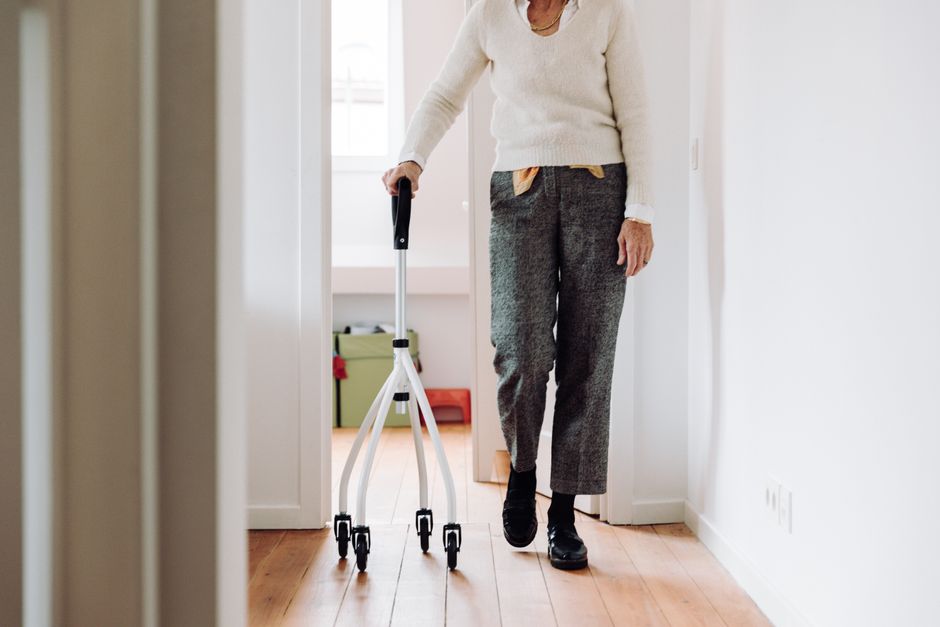
Can couples stay together if their care needs are not the same?
Yes. Assisted living can often support senior couples who want to remain together even when one partner needs more help than the other. The key is finding a setting that can provide different levels of assistance within the same community and living arrangement.
One spouse may need help with bathing, dressing, medications, or mobility, while the other may remain largely independent. Assisted living is designed to provide support based on each person’s needs rather than requiring both partners to follow the same care routine.
Couples should ask whether the community can:
- Assess each spouse separately
- Adjust services as needs change
- Offer shared apartments or suites
- Coordinate different medication and care schedules
- Support one partner’s independence while assisting the other
The goal is not to make both people live as though they have the same abilities. It is to create a daily routine that respects their differences while preserving companionship.
How is care planned for each spouse?
Care planning usually begins with an assessment of daily activities, health concerns, medications, mobility, and personal preferences. Each spouse should have an individualized plan, even when they share a residence.
For example, one partner may need reminders to take medication and occasional help getting dressed. The other may need transfer assistance, regular monitoring, and help during meals. Their plans should identify these differences clearly.
A useful care plan may address:
- Bathing, grooming, dressing, and toileting
- Walking, transfers, and fall-prevention needs
- Medication reminders or administration
- Meal preferences and dietary restrictions
- Sleep schedules and nighttime support
- Memory changes or supervision needs
- Transportation and participation in activities
- Emergency procedures and family communication
Families should also ask how often care plans are reviewed. A spouse recovering from an illness, experiencing a fall, or developing memory problems may need additional help temporarily or permanently.
Can one spouse receive more care without separating the couple?
Often, yes. Couples may share meals, activities, and a living space while receiving different amounts of assistance. This arrangement can reduce the pressure on the healthier spouse to act as the primary caregiver.
That distinction matters. A husband or wife may be willing to help with small tasks, but may not be able to safely assist with lifting, bathing, medication management, or nighttime supervision. Expecting a spouse to provide complex care can lead to exhaustion, injury, or resentment.
Assisted living can separate companionship from caregiving responsibilities. The couple remains connected, while trained staff provide the hands-on help that one partner needs.
There may be limits, however. A community might not be equipped to manage advanced medical needs, frequent skilled nursing interventions, or extensive behavioral symptoms. Those questions should be addressed before a move rather than after a crisis.
What happens if one spouse has memory loss?
Memory loss does not always require couples to live apart, but it may change the type of support needed. Someone with early or moderate memory impairment may benefit from reminders, structured routines, supervision, and assistance with decisions.
The other spouse may need reassurance, education, and private time away from caregiving demands. Even loving partners can become overwhelmed when one person’s confusion, wandering, suspicion, or repeated questions dominate the day.
Families should ask how the setting handles:
- Wandering or exit-seeking behavior
- Missed meals or medications
- Changes in sleep patterns
- Personal safety during emergencies
- Agitation or resistance to care
- Differences between assisted living and memory support areas
A couple may be able to remain in the same building while receiving different services. In some cases, one spouse may participate in a secured memory-support setting while the other lives in a nearby assisted living residence. Whether that arrangement is possible depends on the community’s design, policies, and staffing.
How can couples preserve independence and privacy?
A shared room does not mean every activity must be shared. Couples often do better when each person has choices about meals, hobbies, social time, and rest.
One spouse may enjoy group activities, while the other prefers reading, quiet conversation, or time outdoors. A supportive routine allows both people to participate at their own pace.
Privacy also deserves attention. Before choosing a residence, couples should consider:
- Whether the living space has separate sleeping areas
- How personal belongings can be arranged
- Whether each spouse can spend time alone
- How staff enter the apartment
- Whether private visits are possible
- How personal care is provided respectfully
For older adults moving from a larger home, downsizing can be emotionally difficult. Couples may want to choose meaningful furniture, photographs, books, and familiar household items together. Keeping recognizable belongings can make a new setting feel more personal.
What financial questions should couples ask?
Assisted living costs are usually based on the residence, services, apartment type, and level of care. Couples should ask whether there is a shared-apartment rate, a second-person fee, and separate charges for each spouse’s services.
Important questions include:
- Is rent charged by the apartment or by the individual?
- Are care services priced separately for each spouse?
- What happens if one person’s care level increases?
- Are medication services included or billed separately?
- Are transportation, laundry, or specialized programs additional costs?
- What fees apply if one spouse dies or needs a higher level of care?
Planning should account for future changes. A couple may initially need modest assistance, but costs can increase if one spouse later requires extensive help or a specialized care setting.
It is also wise to review legal documents, health care directives, powers of attorney, insurance coverage, and household finances. These matters can become urgent if one spouse can no longer make decisions independently.
How does local weather affect planning in Nazareth?
Seasonal conditions can influence how safely older couples manage daily life. Winter snow, ice, freezing temperatures, and shorter daylight hours may make walking, driving, shopping, and medical travel more difficult. Summer heat and humidity can also affect hydration, balance, heart health, and energy levels.
A residence should have clear procedures for:
- Snow and ice removal
- Indoor transportation during severe weather
- Heating and cooling emergencies
- Backup power and emergency communication
- Medication access during storms
- Family updates when travel is unsafe
Couples who previously relied on one another for driving or household maintenance may need a different plan after moving. Assisted living can reduce those responsibilities, but families should still understand how transportation, appointments, errands, and emergency contacts are handled.
What should families observe during a visit?
A visit should focus on everyday life, not just the appearance of the building. Families can observe whether residents seem engaged, comfortable, and treated with respect.
Notice how staff speak with residents, whether assistance appears timely, and whether couples are able to spend time together without being isolated from others. Ask direct questions about staffing overnight, response times, care-plan changes, and what happens if one spouse’s needs increase.
It can also help to visit at different times of day. Morning routines, meals, evenings, and weekends may reveal different staffing patterns and activity levels.
The most suitable arrangement is one that allows both spouses to receive appropriate support without forcing them into identical routines. For senior couples in Nazareth, careful planning can protect safety, dignity, companionship, and each person’s ability to live as independently as possible.
